Grow more of your own food, right in your backyard.
Step-by-step gardening and homesteading guides in plain English. No hype, no guesswork. Just what to plant, how to grow it, and how to store it so it feeds you for months.
Start here: how this works
- 1
The problem
Food costs more every year, and store vegetables are picked early and shipped a long way. They often taste flat, cost a lot, and go bad in days.
- 2
A small space is enough
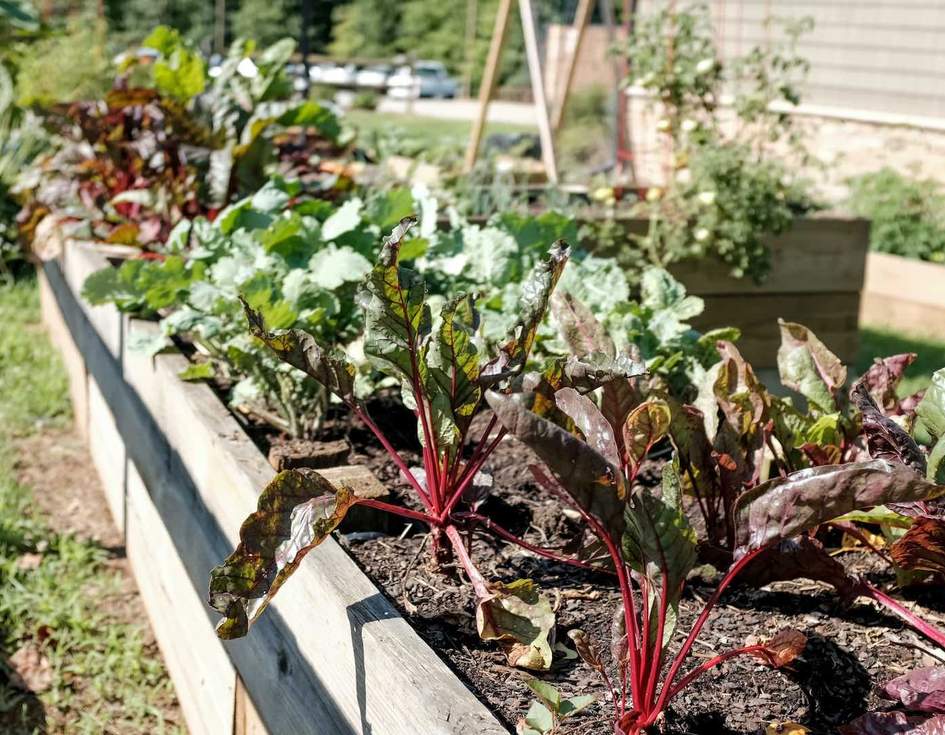
You do not need a farm or a big lot. One raised bed in a sunny corner can grow a steady supply of greens, herbs, and roots for your kitchen.
- 3
Start with one bed and one crop
Build one bed, fill it with good soil, and plant one easy crop. Potatoes, lettuce, and tomatoes are forgiving first crops, and the guides walk you through each step.
- 4
Keep the garden fed and watered
Compost feeds the soil, and saved rain covers the dry weeks. Each season the bed gets better instead of worn out, and the garden asks less of the store.
- 5
Preserve what you grow
A good harvest comes all at once. Storing, canning, and freezing turn a few weeks of plenty into food for months, and the guides show the safe way to do each one.
When you want the whole plan in one place, the book under this list pulls the pieces together: growing food, collecting water, simple power, and preserving the harvest on a small piece of land.
Growing, step by step
Potatoes, tomatoes, lettuce, and more. Each guide covers the soil, the planting, the care, and the harvest, in order.
Preserving the harvest
Storing potatoes, canning tomatoes, making jam. Clear steps that follow tested, safe methods, so food keeps and stays safe to eat.
Soil, compost, and water
Raised beds, the right soil mix, compost from kitchen scraps, and rain water for dry weeks. The ground work that makes crops grow.
Plain steps, no hype
Every guide on this site is written in plain words, with honest timelines and real amounts. Gardens depend on weather and soil, so we never promise miracle harvests. We show the method that works for most home gardeners, and we say plainly when a job needs care, like canning, where the safe steps matter most.
The gear these guides use
Growing food takes very little gear: a solid bed or kit, a way to start seeds, a few good tools, and jars for putting food by. The picks the guides rely on are collected on one page, grouped by the job they do.
See the shop pageGuides
Gardening guides
Every guide starts with a job you are trying to get done, like growing your first potatoes or putting up tomatoes before they spoil, and gives you clear steps to do it well. See the guides page to find help for the job you are working on.
- GrowingHow to Grow PotatoesLearn how to grow potatoes at home, from planting seed potatoes to hilling, harvesting, and curing them for storage.4 min read
- GrowingHow to Grow TomatoesA simple guide to growing tomatoes at home, covering planting, watering, support, and picking fruit at the right time.4 min read
- PreservingHow to Store Potatoes So They LastHow to store potatoes so they last for months: curing, the right spot, what to keep them away from, and how to check them.4 min read
- PreservingHow to Can Tomatoes SafelyHow to can tomatoes safely at home with a water bath canner, tested recipes, and the steps that keep every jar safe to eat.5 min read
- PreservingHow to Make Jam at HomeHow to make jam at home with fruit, sugar, and a water bath, using tested recipes so your jars set well and keep safely.4 min read
- GrowingVertical Gardening for Small YardsVertical gardening for small yards: grow up with trellises, towers, and wall planters to fit more food in less space.4 min read
- Soil and CompostHow to Start CompostingHow to start composting at home: the greens and browns balance, a simple setup, and how to turn kitchen scraps into garden soil food.4 min read
- GrowingHow to Grow LettuceHow to grow lettuce at home: cool season timing, small sowings often, and the cut and come again harvest that keeps salads coming.4 min read
- GrowingHow to Build a Raised Garden BedHow to build a raised garden bed: pick the spot and size, choose safe lumber, build the frame, and fill it ready for planting.4 min read
- Soil and CompostRaised Bed Garden Soil MixThe simple raised bed garden soil mix that works: topsoil, compost, and something for drainage, plus what to avoid and how to top up.4 min read
A note on food safety
Most gardening jobs are forgiving: a late planting or a thin harvest just means a smaller crop. Preserving is different. Canning done the wrong way can make people sick, so our preserving guides follow tested recipes and times from the Ball guide and the National Center for Home Food Preservation, and they say so wherever the steps matter.